A Timeline of Casa La Serena

This timeline traces the historical evolution of Casa La Serena, a pioneering space dedicated to self-care, collective care, and healing that emerged as a landmark reference point in Mexico and the Mesoamerican region for women defenders experiencing exhaustion or burnout stemming from the impacts of their work.

The following timeline details how the project developed from an initial diagnostic assessment in 2012 to becoming a regional leader that offers refuge from the wear and political violence faced by women human rights defenders. We highlight the importance of rest stays, the use of ancestral knowledge, and the shift toward a collective care approach that has strengthened our activist networks.

This exercise also helped us to reflect on and to appreciate the team’s exceptional organizational maturity while confronting challenges such as the pandemic and implementing sustainable infrastructure and ideas fueled by the climate crisis. In this timeline we underscore the transformative impact of Casa La Serena in dignifying the work of Mesoamerican women human rights defenders.
BACKGROUND (2010–2013)
  • A 2010 Gathering of women human rights defenders in Oaxaca, Mexico gave rise to and shaped the political purpose of IM-Defensoras (the Mesoamerican Women Human Rights Defenders Initiative). IMD is now a network of more than three thousand defenders whose central guiding principle is Feminist Holistic Protection (FHP) understood as the political pact to place care at the center of our movements and, in doing so, we sustain life. This 2010 gathering created space for defenders to break the silence around the impacts, exhaustion, and pain stored in their bodies from years of human rights defense work, highlighted a deep need to both feel heard and accompanied in the embodied struggles they face.
  • IM-Defensoras emerged with six founding organizations operating at the local, national, and international levels including: the Association for Women’s Rights in Development (AWID), the Unit for the Protection of Human Rights Defenders of Guatemala (UDEFEGUA), Just Associates (JASS), the Feminist Collective for Local Development (CFDL), the Central American Women’s Fund (FCAM), and the Consortium for Parliamentary Dialogue and Equity Oaxaca (Consorcio Oaxaca). IM-Defensoras’ work is grounded in building territorial networks across the countries that comprise the initiative.
  • First SELF-CARE DIAGNOSTIC with Mesoamerican Women Defenders, led by IM-Defensoras: To understand and document the perceptions of the need for self-care and to bring to light what care practices were already present within our organizations and social movements, a series of workshops were held in each of the countries that make up IM-Defensoras. As part of this effort, 55 defenders responded to a questionnaire, allowing us to identify their sources of distress and document their experiences of burnout. Building on this diagnostic assessment, various strategies were developed to address the findings, including the need to create spaces and/or pauses dedicated to listening and to the practice of care.
  • In 2013, IM-Defensoras, JASS, and Consorcio Oaxaca published “What Does Self-Care Mean for Women Human Rights Defenders?”, the result of a three-month virtual dialogue process. This publication was foundational in shaping the working principles that continue to guide the support we provide at Casa La Serena.
FIRST STEPS (2014–2015):
  • Following an analysis of the self-care diagnostic’s findings, Consorcio Oaxaca, through Ana María Hernández Cárdenas, the organization’s director at the time and founder of Casa La Serena, proposed that the IM-Defensoras Steering Group champion the proposal of Casa La Serena for the benefit of defenders across the region.
  • PILOT PROJECTS: the first SELF-CARE STAYS with Women Human Rights Defenders from Mexico: With the aim of testing the methodology designed in the early years, Consorcio Oaxaca ran a pair of pilot stays that allowed us to refine our approach, identify missing pieces, and gauge the workload these stays would demand of the internal teams providing support to defenders. We also reconsidered how to support defenders’ personal, technical, and therapeutic needs, as well as the spacial requirements during these stays. This was marked the formation of a dedicated team focused on supporting defenders and stays at Casa La Serena. During this time we also began discussing the need for a network of therapists offering a range of healing and support approaches including: psychological support, care-based therapies, and spaces for defenders to exchange experiences about their processes. For these pilot initiatives we rented two separate spaces, which made it clear just how important it would be to have a single space dedicated exclusively to supporting defenders.
  • FOCUS GROUPS to bring our DREAM to life: Our positive experience with the pilot stays, together with the results obtained from the assessments, encouraged us to hold three focus groups with IM-Defensoras defenders across the region, guided by a set of key questions. Together we defined the type of space needed for a care space, what defined the participation criteria for stays, and we reached consensus on what care needs defenders prioritize. The selection and design of Casa La Serena were guided by what defenders expressed: a green setting, close to but outside the city, with good natural light, water, and homey, vibrant elements, such as murals or gardens. These focus groups validated the need for a dedicated space for the care of defenders and gave legitimacy to our proposal to create Casa La Serena.
  • The founding of Casa La Serena in Oaxaca, Mexico: Throughout 2015, drawing on the focus group findings and the experience of the pilot stays, Consorcio Oaxaca developed the overall design proposal for Casa La Serena, with the goal of securing financial support for its setup and operation including: renting the space, outfitting it, purchasing furnishings, designing the program of support, and building both a core team of therapists and a team for day-to-day care during stays. This work required months of effort and contributions from a broad team at Consorcio Oaxaca and from external collaborators.
GRAND OPENING OF CASA LA SERENA AND ITS FIRST ACTIVITIES (2016)
  • OPENING CEREMONY Casa La Serena is a political project, a resilient spirit that extends far beyond the physical space it occupies. For the last ten years we have inhabited a house that comes closest to what defenders described as the ideal space for rest and healing for women defenders: spacious and surrounded by nature, close to the city, but not within it, with internet access, yet with activities that invite digital disconnection, and a place where each defender who visits has left a piece of her home country behind, so that those who arrive afterward feel a little more “at home.”
  • We received the keys to this space in August 2016 and held an energetic cleansing of the space, alongside a grand opening ceremony.
  • FIRST ACTIVITY: “Specialized Neuromuscular Balance Training” and getting Casa La Serena ready for Defenders. The first specialized Neuromuscular Balance training took place in coordination with the Network of Women Defenders of Mexico in August 2016, serving as the inaugural event of Casa La Serena. This twelve-day workshop served as a crucial test of the house’s infrastructure and program logistics, revealing what adjustments and maintenance were needed to finish preparing the space.
  • In their assembly The IM-Defensoras Steering Group approved resources to fund a retreat for five defenders from each participation National Network each year. This crucial decision made Casa La Serena’s stays accessible to defenders across the region and strengthened the active care work within the regional networks of defenders.
  • FIRST RETREAT for Mesoamerican Women Defenders: We put our carefully designed self-care and collective rest retreat into practice for the first time for a 10 day retreat, welcoming five defenders, one from each of the countries that made up IM-Defensoras at that time: Honduras, El Salvador, Nicaragua, Mexico, and Guatemala.
  • INITIAL SELF-CARE AND COLLECTIVE CARE WORKSHOPS with Organizations of Defenders: We began a series of workshops with Mexican and Oaxacan organizations to raise awareness of the importance of care within our movements. This work was fundamental not only in incorporating a collective-care dimension into defenders’ activism, but also in enriching our program, as Casa La Serena refined its methodology to address conflict resolution, assertive communication dynamics, leadership, and more.
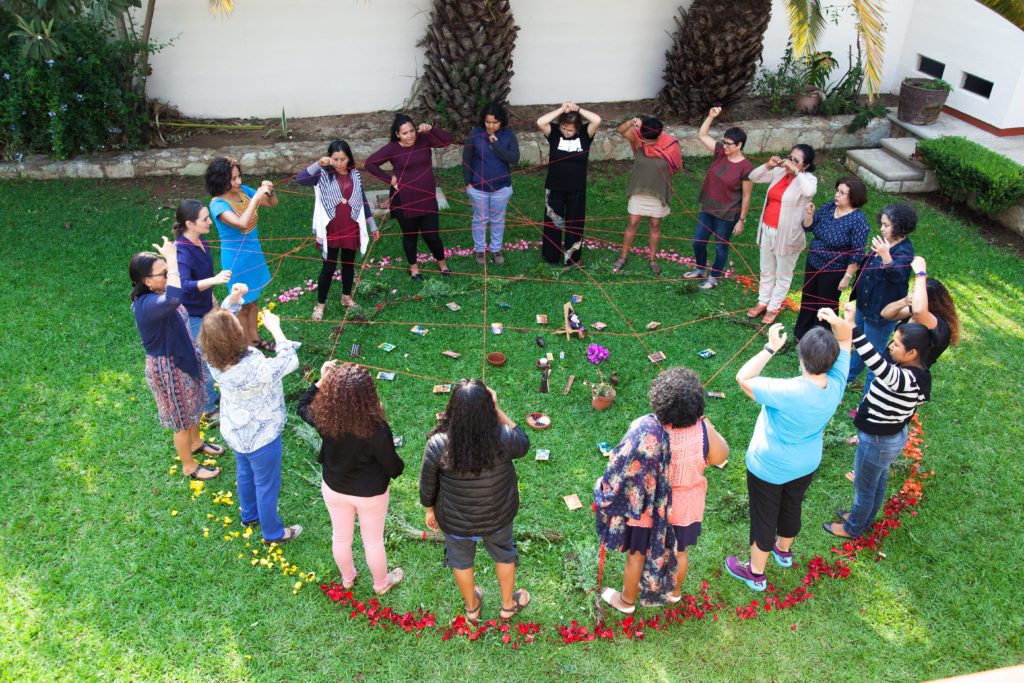
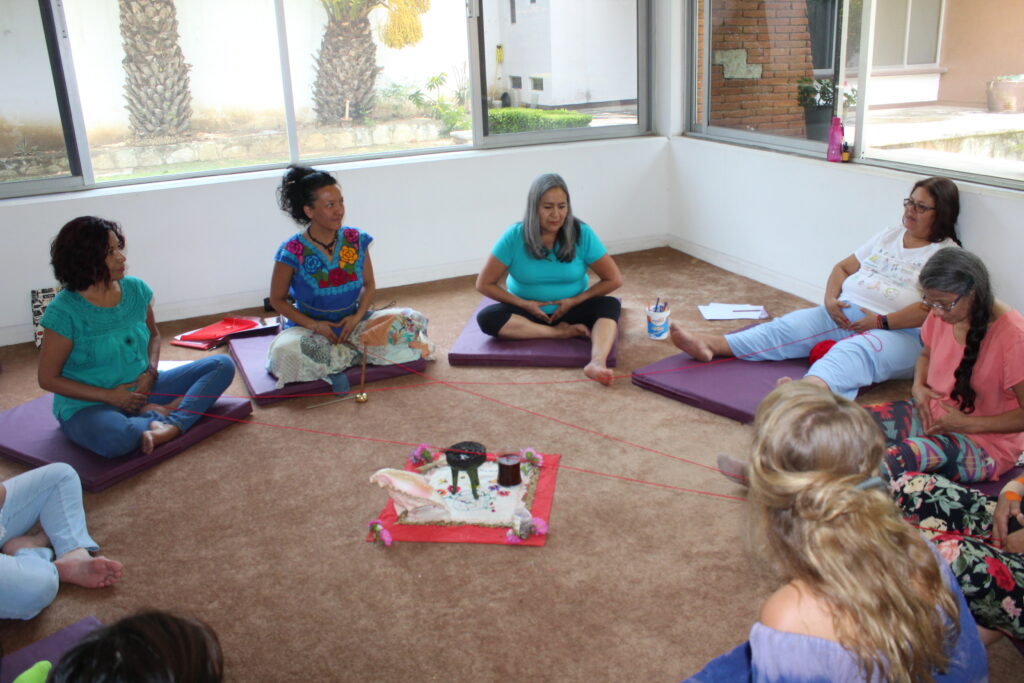
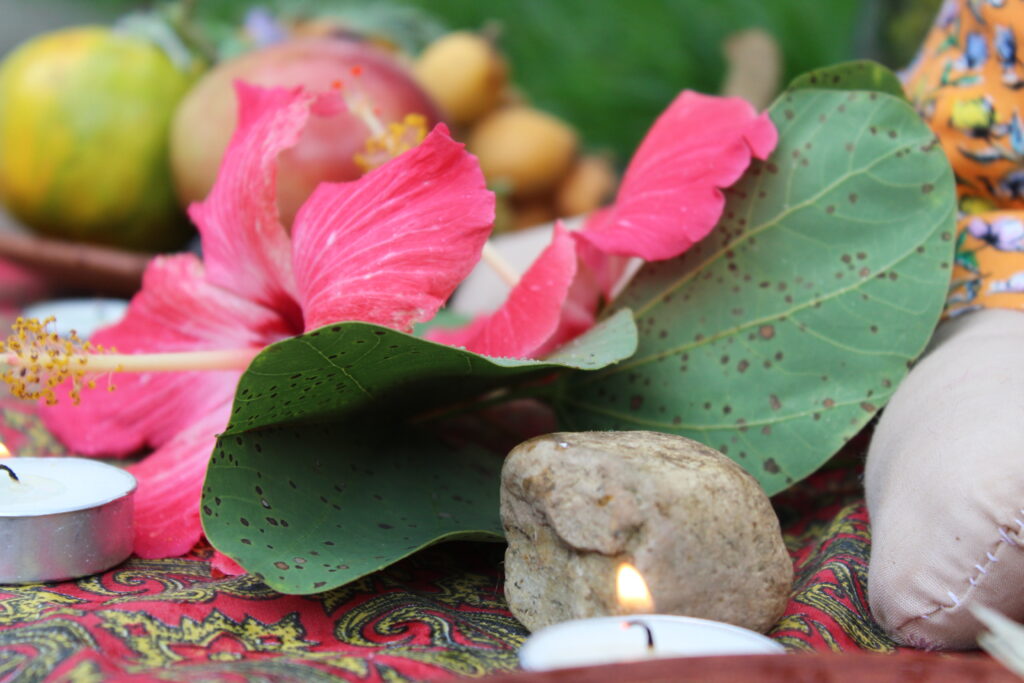
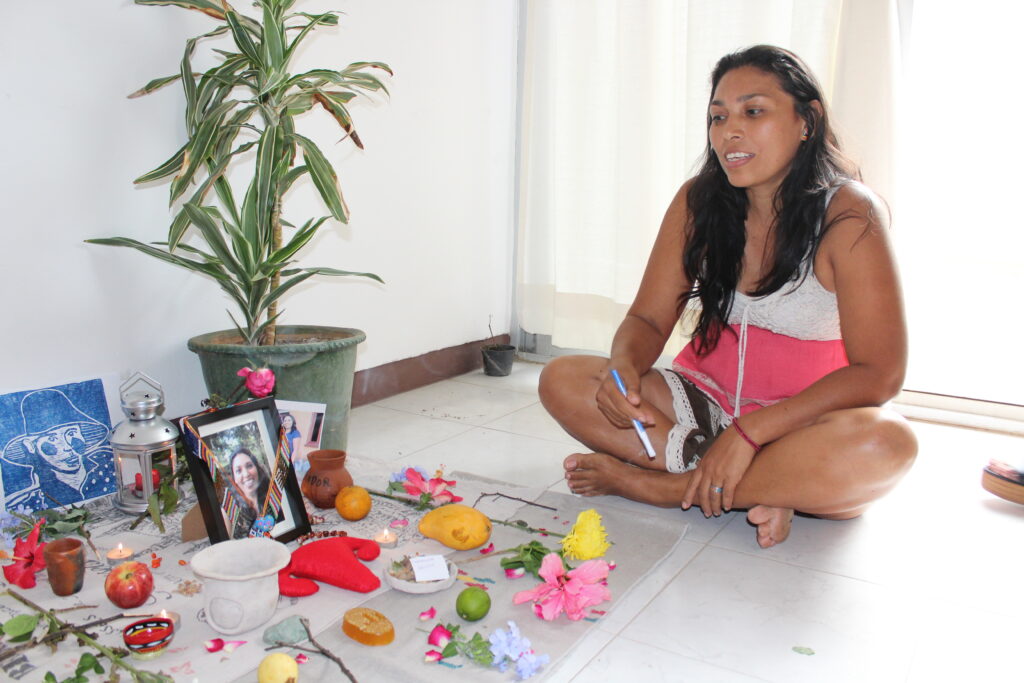
  • We established the Opening and Closing Rituals to hold at each stay: From the earliest stays with defenders, we began drawing on the teachings and wisdom of our Indigenous peoples: cleansing rituals, healing herbs, contact with nature, gratitude for local food, among others. These rituals are meaningful moments that, at the start of the retreat, help defenders harmonize their energy, body, and spirit upon their arrival at Casa La Serena, while also giving us the opportunity to pause and to ask the sacred energies of the land where Casa La Serena is located that everything done during the retreat will benefit and support both the growth of those who take part in it and that of their communities. At the end of the retreat, we create altars where each participating defender gives thanks to herself for everything she learned during her stay and everything that sustains her in life.
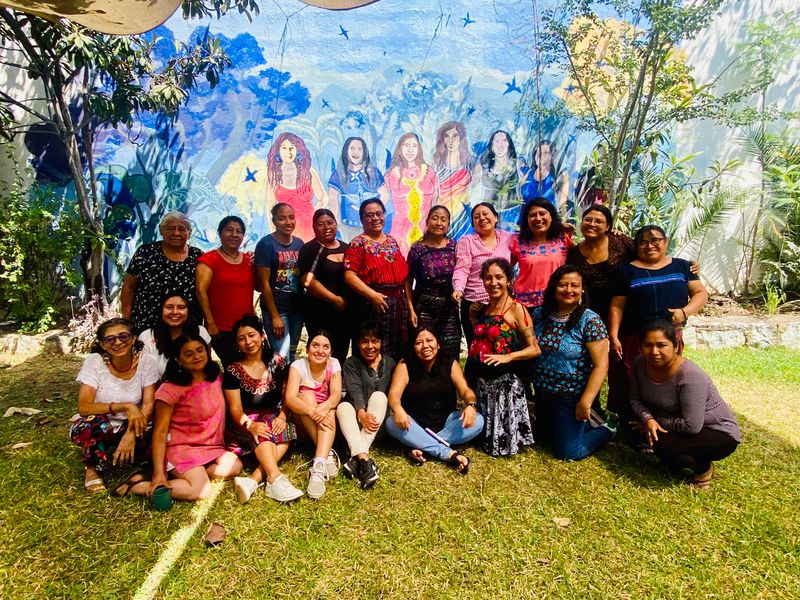
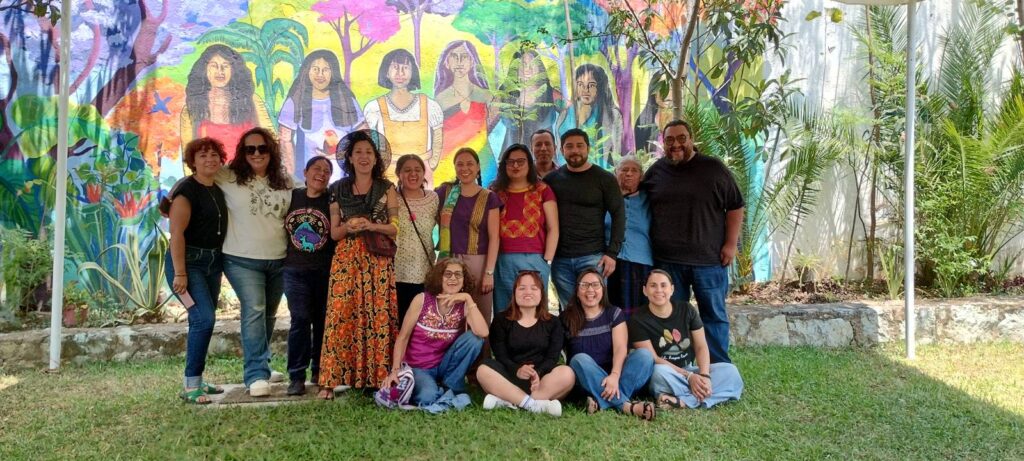
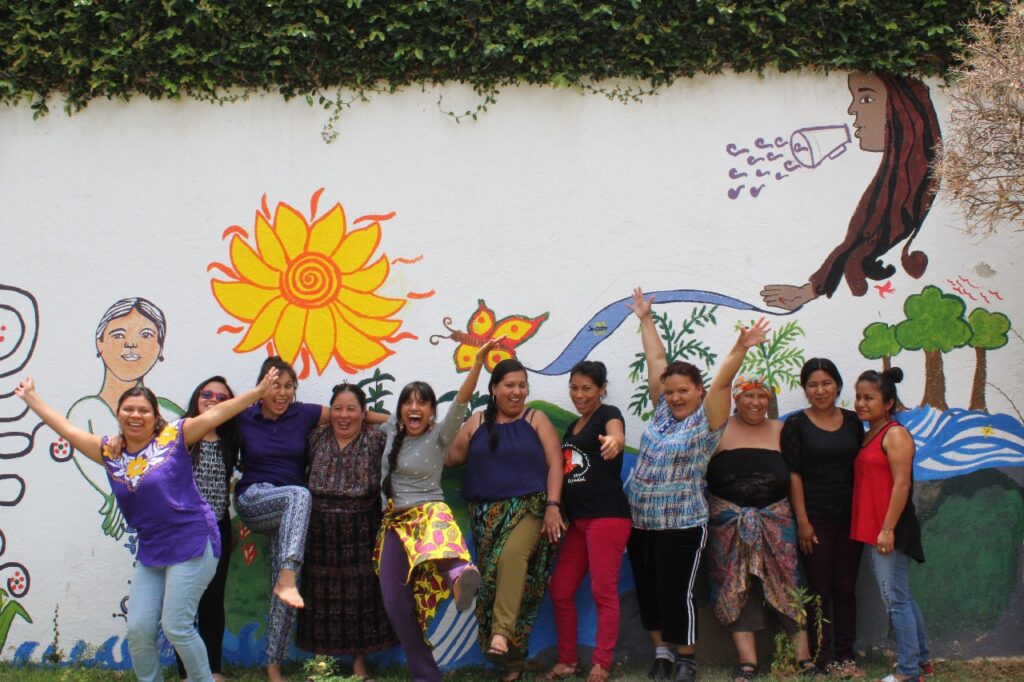
  • The first “Murals with Defenders” were created at Casa La Serena. During the focus groups we held to imagine the future Casa La Serena and to refine our methodology, we asked ourselves how we could help defenders arriving to the space to feel welcome and embraced by others who had come to Casa La Serena. Creating these murals achieved that goal: they reflect not only the diversity of struggles among defenders across the Mesoamerican region, but also the collective fabric that sustains Casa La Serena. They also reflect our commitment to art as a form of healing.
STRATEGIC ALLIANCES AND PROJECT EXPANSION (2017–2018)
  • Evolution of IM-Defensoras’ Care Strategy (2017): Throughout its history, IM-Defensoras has developed different strategies to support human rights defenders within the framework of Feminist Holistic Protection, one of which was initially called “self-care.” Over time, we came to recognize that caring for oneself alone is neither sufficient nor truly possible, that the kinds of impacts and harm defenders experience are systemic, and addressing these challenges requires collective care actions and approaches. Recognizing the impacts of our work and claiming the right to heal from within our own worldviews as peoples is both an individual right and a collective good. For this reason, in 2017 the strategy was expanded to reflect a more comprehensive understanding of these needs, and was renamed the Self-Care, Collective Care, and Healing Strategy. This shift also took shape at Casa La Serena, leading us to rethink our approach to support and to change how we organized groups at Casa La Serena, as described further below.
  • Visit from UN Women (2017): A visit by UN Women ambassadors marked a critical milestone, as it helped pave the way for Colombian defenders and defenders from other Latin American regions to attend stays at Casa La Serena. This marked the beginning of La Serena’s reach beyond Mesoamerica, as we embraced and welcomed many of our allies across the Global South.
  • Recovering ANCESTRAL KNOWLEDGE and expressive processes through ART THERAPY. From its earliest days, Casa La Serena has incorporated cleansing rituals, ceremonies, and personal-development practices, cultivating a political vision defined by the recovery of ancestral knowledge and the use of artistic processes. These therapeutic artistic practices draw on the rich artistic and creative traditions of Oaxaca, including amulet-making, painting, clay work, printmaking, embroidery, doll-making, and creative writing.
  • Building our Network of therapists, healers, artivists, and providers committed to the political vision of Feminist Holistic Protection and caring for defenders: Every person who joins the therapist team is thoroughly briefed so they can fully understand the project’s political vision. Beyond taking time to learn how each team member works and what methods they use, from the early years of Casa La Serena we held joint meetings with the care team and collaborations to explain what Feminist Holistic Protection means, what our approach to support entails, what characterizes human rights defenders, and what risks might arise during the stays. This built not only therapeutic trust, but political trust as well, grounded in a shared understanding of the work’s purpose.
  • We supported defenders affected by political violence stemming from the crisis and the subsequent entrenchment of the dictatorship in Nicaragua (2018–2019): Many defenders arrived having experienced forced exile, displacement, banishment, imprisonment, torture, and sexual violence at the hands of the State. The level of exhaustion, pain, grief, and lasting effects of political violence that defenders were experiencing was unlike anything we had encountered before. These stays presented a significant challenge, as extreme situations arose during the stays. In response, we developed a range of strategies to lessen the impacts, expanded our healing program, integrated additional rest periods, and undertook internal reorganization to ensure defenders were fully supported during their stays.
GAINING STRENGTH AND RECOGNITION (2019–2021)
  • Transition from regional to national group stays (early 2018). We moved from welcoming one defender from each country, Honduras, Nicaragua, El Salvador, Mexico, Guatemala, as in our earliest years, to welcoming full groups from a single country. The goal was to narrow in on the specific context and causes each group championed and was defending, therefor expanding the impact collective care could have within each home territory and building stronger national networks to sustain this support beyond the stays. Peer to peer follow-up became more tangible, and defenders felt more strengthened and supported by fellow defenders with similar experiences, a strategic shift that helped build defenders’ power and agency for collective care within their own networks.
  • Publication of the “Guía de Acompañamiento” (“Companion’s Guide”): We produced the first version of this resource for members of our Network of therapists, healers, artivists, and companions. It explains the meaning of self-care, collective care, and healing at Casa La Serena, and shares the principles and methodology we use.
  • A reference point and space for exchange: La Serena, as a project, as a methodological and conceptual proposal, and as a lived experience, has been and continues to be a reference point for other organizations, defender and activist networks, and strategic alliances. Since 2016, we have worked to document our learning in order to share our experience more systematically. In this way, Casa La Serena has supported the opening of similar spaces, including La Siguata in Honduras, Casa de Respiro in Brazil, and temporary houses across the region including in Guatemala and Nicaragua. La Serena has also inspired Casa Colibrí in Colombia and maintains an ongoing exchange and strategic alliance with Casa de Respiro Defenred and Casa Basoa in Spain. Casa La Serena has also welcomed defenders from other regions, as well as donors and ambassadors interested in learning about, understanding, supporting, and/or replicating the experience. The Casa La Serena model has been documented, analyzed, and highlighted as an innovative political project in numerous publications by universities, journalists, and donor foundations.
  • Consolidation of Casa La Serena’s program of support (2019–2020). Following the change in the retreat format and Casa La Serena’s growing profile, demand for support increased. In addition to requests from IM-Defensoras, we received requests for support and advisory services from foundations and local, national, and international organizations, as well as requests to host meetings, workshops, and gatherings related to care.
THE CRISIS WAS ALREADY PRESENT: The COVID-19 pandemic

Para hacer frente a la pandemia del COVID que imposibilitó la venida de las compañeras a Casa La Serena realizamos varios acompañamientos virtuales a defensoras y organizaciones, adecuando nuestra metodología de manera digital. Además, diseñamos varios materiales para que las compañeras tuvieran recursos para trabajar con el estrés y la ansiedad que se generaba con el encierro. Así elaboramos el compendio de “Herramientas de autocuidado y sanación” que se difundió ampliamente durante la pandemia.

THE YEARS CASA LA SERENA PUT DOWN ROOTS: 2022–2024

International gathering of healing houses held at Casa La Serena (May 2023)
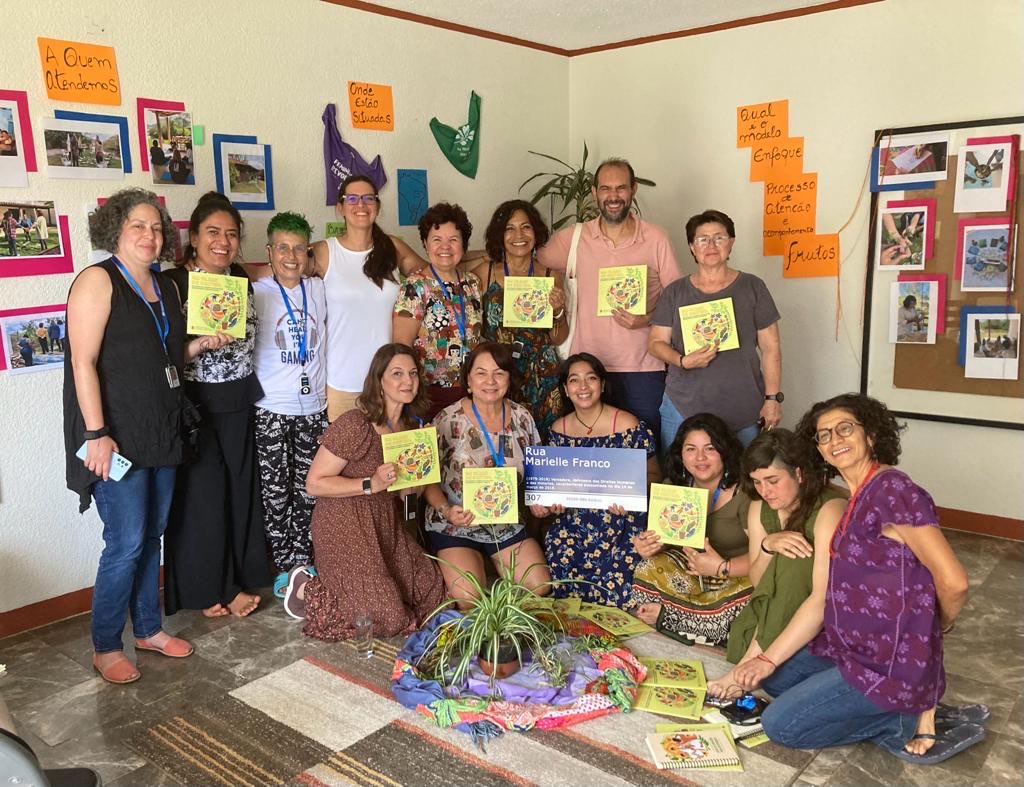
With the goal of strengthening alliances, expanding the reach of collective work, and exchanging experiences and wisdom, Casa La Serena, Consorcio Oaxaca, and IM-Defensoras hosted this gathering, which brought together seven healing houses: Casa Basoa (Basque Country), Casa de Respiro Defenred (Spain), Casa La Siguata (Honduras), Casa de Respiro de Cabo Frío (Brazil), Casa Colibrí (Colombia), Oasis de Cuidado y Sanación Itinerante (Mesoamerica), and Casa La Serena (Mexico). This gathering gave us space to listen to and get to know one another, to feel united in our common purposes, and to share our methodologies along with our concerns and ideas about what it means to support women defenders.

CHANGES TO THE TEAM AND ORGANIZATIONAL STRUCTURE:
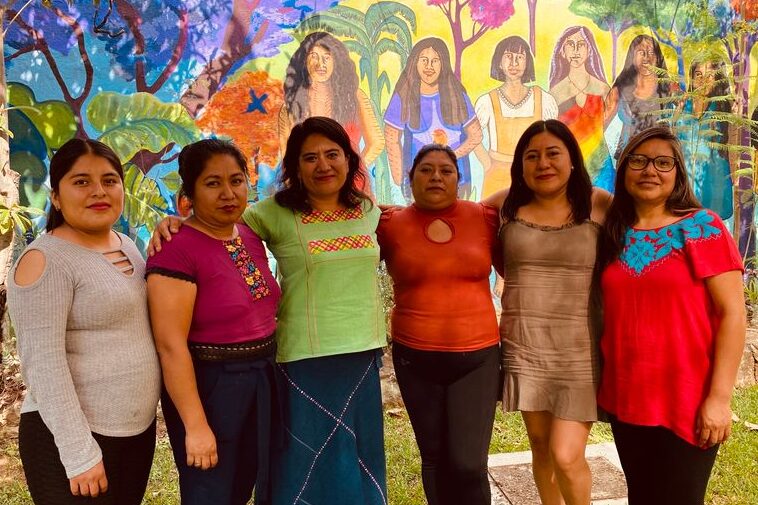
  • Team strengthening: The growth of Casa La Serena, together with external demands, such as increased regulatory requirements and greater demand for stays and support, led to the expansion and strengthening of a team with diverse, complementary skills.
  • Between 2022 and 2024, our team experienced the departure of Consorcio’s founder and general coordinator, along with two operations coordinators. These departures prompted reflection on workload allocation, the need to expand the team, and the division of roles. Working through these changes brought challenges and lessons that encouraged us to look inward and reflected the project’s maturity, while highlighting the need for a stronger, clearly defined, and more resilient organizational structure.
  • As new team members joined, we developed a Roles and Responsibilities Manual that gives us greater clarity about each person’s responsibilities and helps us carry out our work more effectively.

KEY PUBLICATIONS EMERGE

  • Publication of “Entre Aguas Dulces y Mareas” – “Between Fresh Waters and Tides”, May 2022: This publication documents the journey of IM-Defensoras’ self-care, collective care, and healing strategies, the product of a process of reflection and systematization involving therapists, defenders from various countries, and IM-Defensoras steering group. It documents the experience of building the ACCS (Self-Care, Collective Care, and Healing) political strategy over 10 years, including a chapter on Casa La Serena, its history and methodology, and captures La Serena’s impact on defenders lives.
  • The publication “Colmenas que abrigan”, “Hives that shelter”,  2024, resulting from the International Gathering of Healing Houses, is available in Spanish and English and brings together the history and methodologies of seven healing spaces and refuges for defenders.
  • “Recetario de Casa La Serena”, “Casa La Serena Recipe Book”, 2024. The compilation of the recipes of Ángela Vásquez Ruiz, Casa La Serena’s cook, allowed us to share and replicate nourishing, joyful food, one of the pillars of our approach to care.

OUR ENVIRONMENTAL COMMITMENT GROWS

  • Impact of climate change and the well running dry early 2023. This critical event not only created the need to install sustainable infrastructure including dry toilets, a new water tank, rainwater harvesting through gutters, solar panels, and solar water heaters, but also drove a greater political awareness of the project’s sustainability, fostering a new approach to resource use and environmental impact more in line with Casa La Serena’s political vision.
  • Territorial connection: La Serena has become not only a regional reference point for its work with human rights defenders, but also a hub for care-related activities at the local level, opening its doors to dialogue circles on motherhood, activism supporting stray animals, and hosting youth activist meetings, among others.

STAYS DIVERSIFY

  • Support stays for teams from national defender networks (2023). Supporting defenders has significant impacts on the everyday life of the collectives, organizations, and networks that continue to champion the right to defend human rights. In recent years we have paid closer attention to the impacts on IM-Defensoras’ own networks, and as a result we are now hosting stays for the national networks that make up this initiative.
  • Stays with defenders in exile (2022). We have welcomed specific groups of defenders who are living in exile or who are even considered “stateless” as a result of repressive policies and governments in the region.
  • First retreat with a mixed-gender organization (2023). After reflecting on the value of supporting a regional Network of Journalists, several of whose members were living in exile in different countries, Casa La Serena hosted, for the first time, a retreat with both men and women, creating a space to address the grief and impacts of exile as well as the warmth of coming together with other defenders.
GAINING CERTAINTY (2025)
  • Retreat with family members of missing persons. During 2025 we hosted a retreat dedicated to women searching for missing loved ones. Their stories and their struggle are powerful, deeply painful, and marked by great resilience. This experience deepened our team’s sense of responsibility and commitment and reminded us that our work can hold profound meaning for women defenders facing these terrible circumstances.
  • Definition of Mission, Vision, and Values (2025). A key process for articulating the project’s identity and objectives, recognizing its impact beyond the stays themselves as a space centered on training and support grounded in a human rights and care-based perspective.
  • English-language stays (2025). We rose to the occasion in this challenge that strengthened both the team and our methodology, demonstrating our capacity to adapt and leading to the translation of core Casa La Serena materials.
  • Expansion of the Network of therapists, providers, artivists, and healers. This has been important as a way of responding, with up-to-date approaches, to the challenges that arise during stays grounded in lived experience. Physical therapists and facilitators of Peace Circles and Chi Kung joined the network, and we made necessary shifts to benefit the program. While the overall structure of the stays remains the same, there is now greater diversity within it.
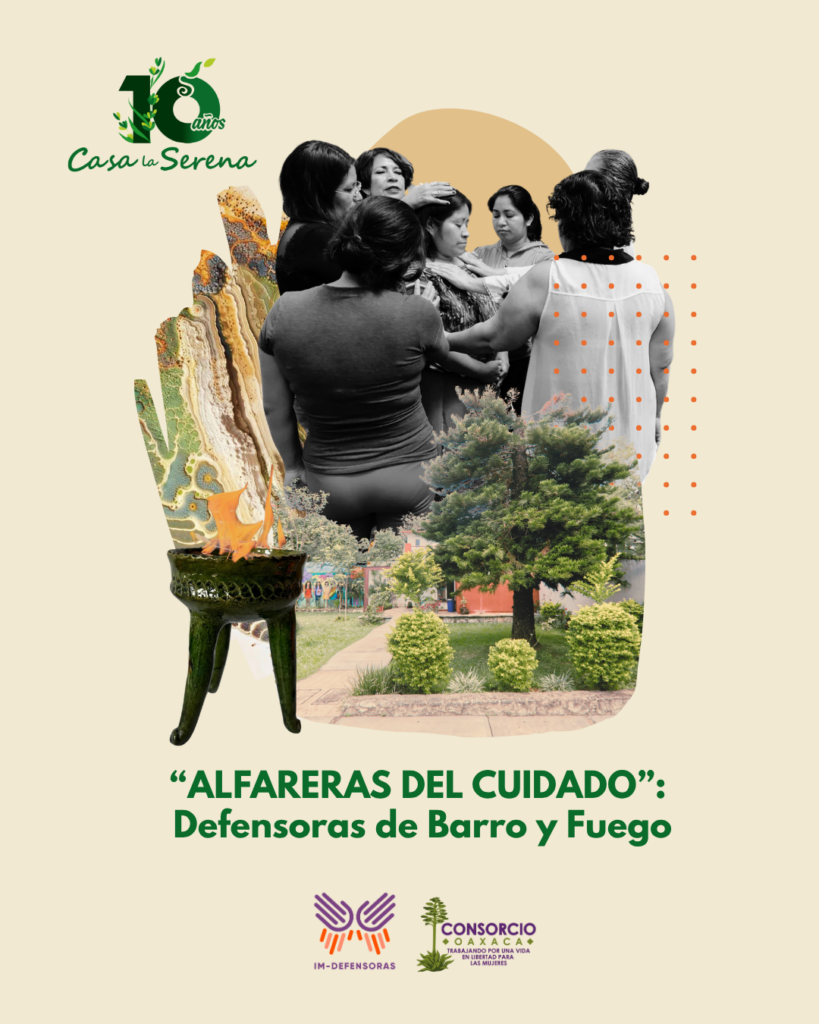
Campaign: “Potters of Care. Defenders of Clay and Fire” (2026).

This campaign is our way of honoring all the defenders who visited Casa La Serena of recognizing the contributions of every woman who has been part of the team, and our way of celebrating life.

*The Casa La Serena timeline was written by: Carmen Calvo Cruz, Nallely Guadalupe Tello Méndez, and Teresa Boedo Blanco. Contributors to its development included: Ana María Hernández Cárdenas, Ángela Vásquez Ruiz, Beatriz Ramírez Caballero, Edith Magali Jiménez, Itzel Guzmán Reséndiz, and Guadalupe Pablo Miguel.

El fuego de los aprendizajes: Una década de cuidados y resistencia política 

La trayectoria de Casa La Serena no es solo la historia de una casa de sanación, sino la materialización de un sueño político que ha transformado la manera en que entendemos la defensa de los derechos humanos en Mesoamérica. 
  • El cuidado como estrategia política central: Lo que comenzó como un diagnóstico de autocuidado en 2012 evolucionó hacia una estrategia integral de Autocuidado, Cuidado Colectivo y Sanación (ACCS). El aprendizaje fundamental es que el cuidado no es un lujo, ni nuestro activismo un sacrificio. Cuidarnos colectivamente se ha convertido en el eje político indispensable para la sostenibilidad de los movimientos y las redes de defensoras: nuestro pacto de cuidarnos.
  • La fuerza de lo colectivo y lo territorial: Pasar de recibir defensoras de distintos países a recibir grupos nacionales (iniciado en 2018) fue un hito estratégico. Se aprendió que el cuidado es más potente cuando se enraíza en el territorio y se vive entre pares, lo que permite generar sinergias políticas y un seguimiento más cercano tras las estancias. En los espacios de intercambio entre defensoras encontramos la fuerza de nuestras redes.
  • La sanación nos conecta con la ancestralidad, con las raíces que hacen posible la Red de la Vida, con las luchas personales y colectivas que nos han dado sentido, dignidad y esperanza. Sanar es re-ligarnos con la Red de la Vida, darle voz al cuerpo, conectar con nuestras ancestras, es un despertar y conectar con la espiritualidad, más allá de lo tangible y de la pura razón. Es la energía que nos permite conectar con la vida misma, con la alegría, con la madre tierra y con la sabiduría de sus elementos, los cuales nos enseñan cómo sanar el cuerpo-espíritu desde la intuición (Entre aguas dulces y mareas…, p. 146).
  • Entender el significado profundo de la sanación es también reconocer la vulnerabilidad como un hecho vital a partir del cual construimos fortaleza personal y colectiva para hacer posible la vida digna, los cuidados y las comunidades que necesitamos (Entre aguas dulces y mareas…, p. 146).
  • Una de las potencialidades de la experiencia es que, en quienes participan en las estancias, fortalece la convicción profunda de la necesidad de hacer transformaciones en las dinámicas político-organizativas en las que están involucradas para hacer coherentes y sostenibles las luchas  (Entre aguas dulces y mareas…, p. 147).
  • Nos reconocemos en la capacidad de generar una amplia diversidad de espacios y estancias de cuidado. Diversificamos nuestras propuestas de estancias para adaptarlos a las distintas necesidades de personas, organizaciones, colectivas y grupos que, sabemos, construyen movimiento y articulación social. Reconocimos la importancia del cuidado colectivo para fortalecer a las organizaciones como entidades de cambio y no solo a las defensoras en lo individual. 
  • Flexibilidad y adaptación ante la crisis: Casa La Serena ha demostrado una capacidad asombrosa para adaptarse a contextos adversos, desde la violencia política extrema y el exilio hasta la pandemia global. Se aprendió que el cuidado debe ser una respuesta viva y creativa que se ajusta a las realidades de las defensoras.
  • Sustentabilidad y coherencia ambiental: La crisis hídrica de 2023 en el territorio que alberga a Casa La Serena impulsó un aprendizaje profundo sobre la interconexión entre el cuerpo y el territorio y originó la instalación de infraestructura sostenible que no fue solo una solución técnica, sino un acto de coherencia política con la protección de la vida y el medio ambiente.
  • La importancia de una estructura resiliente (madurez organizativa): Un aprendizaje vital fue la transición de un equipo basado en el esfuerzo individual extraordinario hacia una estructura sólida y distribuida. La creación de manuales de funciones y la especialización de roles permiten que el proyecto se sostenga más allá de las personas, honrando el legado de las fundadoras mientras se abre espacio a nuevos talentos.
  • La responsabilidad de cuidar a quienes cuidan: La experiencia nos ha enseñado que el acompañamiento tiene impactos profundos en el equipo operativo. Se reconoció que para acompañar a otras es necesario cuidar de nosotras mismas:  establecer límites, programar descansos y garantizar que «si una se mueve, se mueve todo», integrando el cuidado del equipo como parte de la misión.

ALFARERAS DEL CUIDADO DEFENSORAS DE BARRO Y FUEGO 10 años de Casa La Serena MANIFIESTO

Somos defensoras de derechos humanos,
alfareras del cuidado y la sanación.
Por defender la vida vivimos los impactos de una política de muerte que los poderosos buscan expandir a lo largo y ancho de la región mesoamericana y del mundo.
Sin embargo, en cada rincón, estamos nosotras, juntas, resistiendo.
Somos barro, memoria antigua que se reinventa.

Casa La Serena:
sueño colectivo, propuesta política, realidad feminista, hogar de todas.
Impulsada por Consorcio Oaxaca y la Iniciativa Mesoamericana de Mujeres Defensoras, es también un espacio de pausa activa en nuestra reflexión política y la de nuestras aliadas en el Sur Global.

En estos 10 años, hemos acompañado una inmensa diversidad de cuerpos-territorios que vienen de distintos cerros, mares, valles, planicies y ciudades.
Mujeres que, como en el barro, son habitadas por grietas, dolores, tristezas, heridas, duelos.

Mujeres-arcilla que resisten distintas opresiones, que laten en luchas encarnadas
y se sitúan a favor de sostener la vida, la alegría y la dignidad.

En Casa La Serena ponemos el cuidado en el centro, como un pacto político
para reclamar y accionar nuestro derecho al bienestar y al gozo,
y así entrelazarnos con nuestro inmenso poder colectivo.

Abrevamos de distintos procesos para transformar lo que duele,
lo que necesita ser mirado y recreado en nuestros activismos.
Para ser quienes, libre y dignamente, queremos ser.

Como el barro, nos vamos amasando despacio, con paciencia y atención.
Damos forma con dedicación y esmero a prácticas que nos reconectan
con lo profundo, lo heredado, lo que está vivo,
lo que nos devuelve al origen y nos motiva desde ahí. Somos barro, tierra viva.
Desde una postura feminista, entre saberes holísticos, ancestrales, terapias alternativas, medicinas naturales,
expresión corporal, alimento gozoso y convivencia tierna y radical,
potenciamos nuestro latido y politizamos el derecho a mirarnos y ponernos en prioridad:
la pausa es parte del camino.

En Casa La Serena dejamos reposar los sentipensares,
atendemos la fragilidad de lo que pide ser cuidado.
Con el poder del agua y el soplo cálido del viento reparamos las fisuras, confiamos en el proceso y recreamos una existencia en la que nos sabemos sostenidas.
Las redes nos salvan.

Desde este espacio, las defensoras de derechos humanos, hemos aprendido a
dar forma, pulir, bruñir, y dar brillo a
nuestras mentes, cuerpos, espíritus, emociones y energías vitales
desde una sabiduría simple, coherente y arraigada
que nos inspira nuevas formas de estar, experimentar, practicar y sentir el mundo.

Somos y seremos en COMUNIDAD.
Sosteniendo la calidez del fuego y dejándonos cobijar por él.
Con el humo sagrado de nuestros corazones transformamos los mandatos patriarcales y nos reinventamos a nosotras mismas.
De las vasijas que se rompen, naceremos otras:
más libres, rebeldes y juntas.

Venimos a Casa La Serena a encontrarnos,
a llevarnos saberes para nuestra práctica política y vida cotidiana,
a reapropiarnos de nuestros cuerpos-territorios,
a situarnos en reciprocidad con la vida.

En estos 10 años de Casa La Serena,
HONRAMOS, AGRADECEMOS Y CELEBRAMOS
que somos barro vivo y fuego colectivo.

SOMOS ALFARERAS DEL CUIDADO.
Guía Jugamos, Nos Expresamos, Nos Acompañamos

La Organización Jass Mesoamérica compartío una guía lúdica para compartir jugando para el bienestar de la familia en este tiempo en que la pandemia del #COVID19 que obliga a permanecer más tiempo en casa, y preocupadas por la salud y bienestar, invitan a que hoy más que nunca nos demos el espacio a nosotras y la niñez que nos acompaña para recordar que el juego, el goce y el disfrute son fundamentales para vivir, son derechos que necesitamos para nuestro bienestar integral.

Aquí la guía que seguro es de gran interés.

Reflexiones feministas. A un año del confinamiento, hasta que el cuidado se haga costumbre.

El autocuidado para las mujeres ha sido una de las tareas que menos se atienden, sin embargo buscamos que cada día sea una tarea prioritaria, pues es el cuerpo, la mente y las emociones son las que nos sostienen y por ello debemos atender nuestra salud sistémica, ante la pandemia COVID-19 sabemos es una tarea aún más compleja, por ello te invitamos a escuchar este conversatorio que seguro pondremos nuestras perspectivas, estrategias para compaginar la vida en su totalidad.